Contents
- What is Coral? (Organic Calcium Carbonate)
- History and Meaning (Ancient Talisman and Protection)
- Physical and Chemical Properties (Sensitivity and Reactions)
- Spiritual & Energetic Effects of Coral Stone
- Areas of Use and Compatible Bushes
- Buying Guide and Authenticity Tests
- Coral Quick Notes
- Frequently Asked Questions
What is Coral? (Organic Calcium Carbonate)
Coral Stone is an organic (biogenic) mineraloid formed by the combination of calcium carbonate CaCo₃ skeletons secreted by coral polyps, small colonial creatures living in the seas. The structure of the stone consists of calcium carbonate in the form of aragonite and organic binders.
Mohs: 3–4 • Density: ~2.7 g/cm³ • Formula: CaCO₃
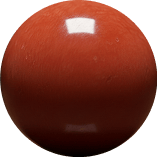
Species used in jewelry quality are generally red (Corallium Rubrum), pink (Angel Skin) and white. The most valuable and sought-after species are the rare "Precious Corals" extracted from the Mediterranean.
Formation & Classification
- Formation: Slow solidification and agglomeration of the exoskeletons of marine polyps.
- Chemical Component: Its basic component is the same as limestone, CaCo₃, but it is of organic origin.
- Conservation Status: Most coral species are under protection due to overfishing and environmental factors.
History and Meaning (Ancient Talisman and Protection)
Coral has been revered throughout history in Mediterranean, Indian and Pacific cultures. In ancient Greece and Rome, it was considered a powerful talisman to ward off evil spirits and the evil eye. It was a symbol of fertility and longevity in the East and Native Americans.
According to ancient beliefs, Coral protected its owner from bleeding and feverish diseases.
Cross-Cultural Symbolism
- Ancient Age: Used to protect warriors from injuries.
- Life Force: Due to its color, it is associated with blood and life energy.
- Love and Passion: Vibrant tones symbolize passionate love and strong emotional bonds.
Physical and Chemical Properties (Sensitivity and Reactions)
Since coral is basically calcium carbonate, it shows similar chemical reactions to limestone and pearl.
Chemical Formula
CaCo₃ (Calcium Carbonate), in the form of Aragonite. It contains trace amounts of Mg and Fe.
Crystal Structure
It is orthorhombic (aragonite), but usually occurs in amorphous (shapeless) or fibrous aggregates.
Thermal Reaction
When exposed to high heat, it turns into lime dust by releasing carbon dioxide.
Acid Sensitivity
When it comes into contact with acids (vinegar, lemon juice, perfumes), even diluted, it foams rapidly and its structure deteriorates (CaCO₃ reaction).
Mohs Hardness
Soft structure: 3-4. It is easily scratched and brittle, so it must be handled with care.
Photosensitivity
Prolonged exposure to sunlight or high temperatures may cause discoloration (bleaching).
Brightness
After processing, it acquires a glassy or waxy (waxy) shine.
Specific gravity
2.6–2.7 g/cm³. It is slightly higher than the density of water; This helps distinguish it from imitations.
Breaking
Its surface is irregular, and when broken, a spiky or fibrous appearance occurs.
Spiritual & Energetic Effects of Coral Stone
Coral is particularly in strong harmony with the Root Chakra (Muladhara) and Sacral Chakra (Swadhisthana).
Life Energy
It balances the root chakra and provides the person with physical energy and endurance.
Passion and Self-Confidence
It increases creativity, passion and self-esteem by activating the sacral chakra.
Negative Protection
It provides active, not passive, protection. It has a dispersing effect on the bad energy around it.
Emotional Balance
Especially due to its connection with the sea, it calms emotional fluctuations and gives peace and tranquility.
Material Abundance
It was used in ancient beliefs to attract prosperity and financial luck.
Mental Focus
It calms the mind and helps a person focus on important matters.
Areas of Use and Compatible Bushes
Jewelry and Accessories
Red Coral is traditionally used in rings, necklaces, and nose jewelry in Indian culture.
Talisman and Amulet
It was traditionally carried especially to protect newborn babies from the evil eye and diseases.
Simile
Due to its lightness and unique color, it is valuable in making prayer beads for both aesthetic and spiritual purposes.
Astrology
In Vedic astrology (Jyotish), it is one of the stones of the planet Mangal (Mars); gives strength and energy.
Zodiac Compatible Signs
It supports the energy of Aries (ruling planet Mars) and Scorpio; It creates a revitalizing effect.
sculpture
It is used to make exclusive and expensive handicraft objects (Chinese and Japanese art).
Buying Guide and Authenticity Tests
Color Homogeneity
Natural coral may have slight fluctuations in color tone. Completely uniform, smooth color is usually dyeing or imitation.
Acid Test (WARNING!)
If lemon juice is dropped on a very small and inconspicuous spot, real coral will give a foaming reaction (This should be done by professionals).
Magnifying Glass Observation
Under tenfold magnification, the coral's distinctive snakeskin or wood grain-like fibrous structure should be visible.
Care and Storage
It must be protected from acids (perfume, hair spray) and high temperatures. It should be removed while swimming.
Hardness Test
Real coral is easily scratched when gently tried with a very sharp object; Glass or plastic is more resistant to scratching.
Ethical Source
Proven (ethical) sources that have been extracted through sustainable and legal means should be preferred.
Coral Quick Notes
Frequently Asked Questions
Why does Coral Stone fade or turn white?
Since coral has a calcium carbonate structure, acids (sweat, chemical perfume residues) or excessive sunlight can discolor it. This phenomenon is often called 'bleaching'.
Is coral organic or mineral?
Coral is a biogenic rock, meaning it consists of the remains of living organisms. Therefore, it is technically an organic mineraloid. Chemically, CaCO₃ is a mineral, but its formation process is organic.
What does coral represent astrologically?
In Indian astrology, it is associated with the planet Mars. Since Mars rules courage, strength, physical energy and passion, Coral enhances these qualities.
When should I renew the energy of Coral Stone?
Since coral does not absorb a lot of negative energy, but rather disperses it, it does not need to be constantly cleaned. However, keeping it under the moonlight or burying it in the ground overnight renews its energy.
How should coral jewelry be stored?
Since coral scratches easily, it should be stored separately from other jewelry, wrapped in a soft cloth. It is essential to keep it away from direct heat and sunlight.
Coral Collection from the Heart of the Seas
Discover unique Coral Stone jewelry and objects that bring life energy, passion and protection.
The spiritual and energetic features included in this guide are based on traditional beliefs and cultural background; It is not scientifically proven and is not a substitute for medical advice. The stone type of our products is guaranteed by the information stated on the product pages.