Contents
What is Amber?
Amber; It is an organic ornamental material formed by the oxidation, polymerization and fossilization processes of tree resin over millions of years. Its crystal structure is amorphous ; It is not a mineral.
Mohs: 2–2.5 • Density: 1.05–1.10 g/cm³ • Refractive Index: 1.539–1.545
The most well-known regions are the Baltic, Dominican, Mexico and Myanmar. Amber attracts attention with its lightness, warm texture and occasional inclusions containing insect and plant remains.
Formation & Resources
- Dripping and embedding of resin into the ground, oxidation and polymerization
- Featured sources: Baltic (Poland-Lithuania), Dominican (blue amber), Myanmar (burmite), Mexico (Chiapas)
- Inclusions: Insects, plants, air bubbles and woody particles
History and Cultural Importance
Amber; It has been valued on trade routes since ancient times and has been referred to as "Baltic gold" . It has a special appeal due to its warm color and electrostatic properties.
When heated and rubbed, amber attracts small particles; This electrostatic effect also gave its name to the Greek word electron .” — Knowledge based on classical natural philosophy and early science sources
Amber in Cultures
- Ancient Mediterranean: Jewelry, talismans and trade items
- Medieval Europe: Symbol of Baltic trade networks
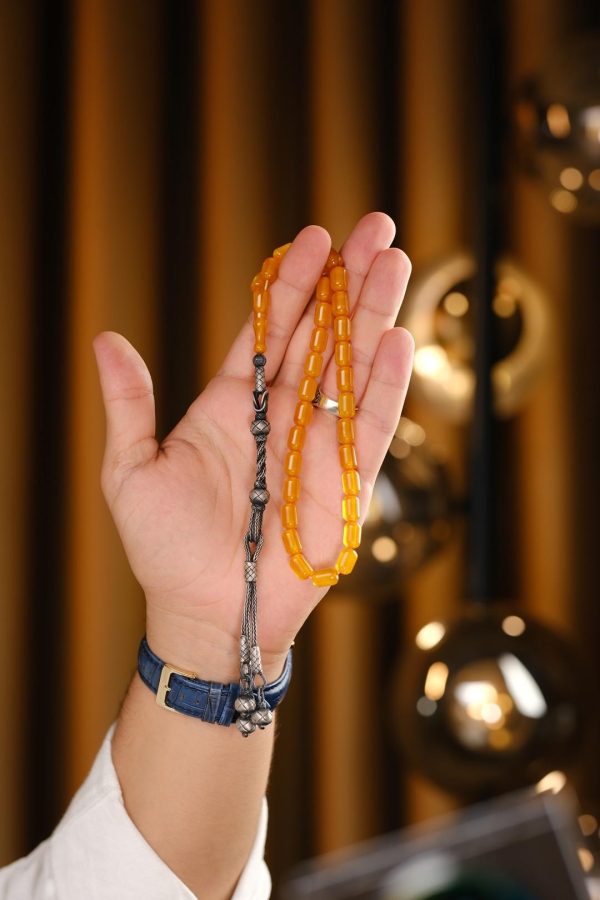
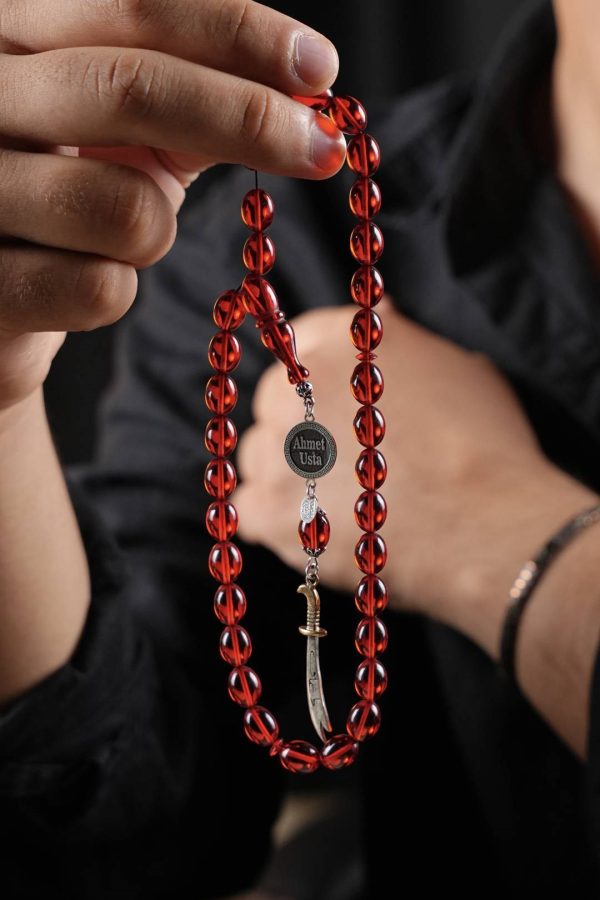
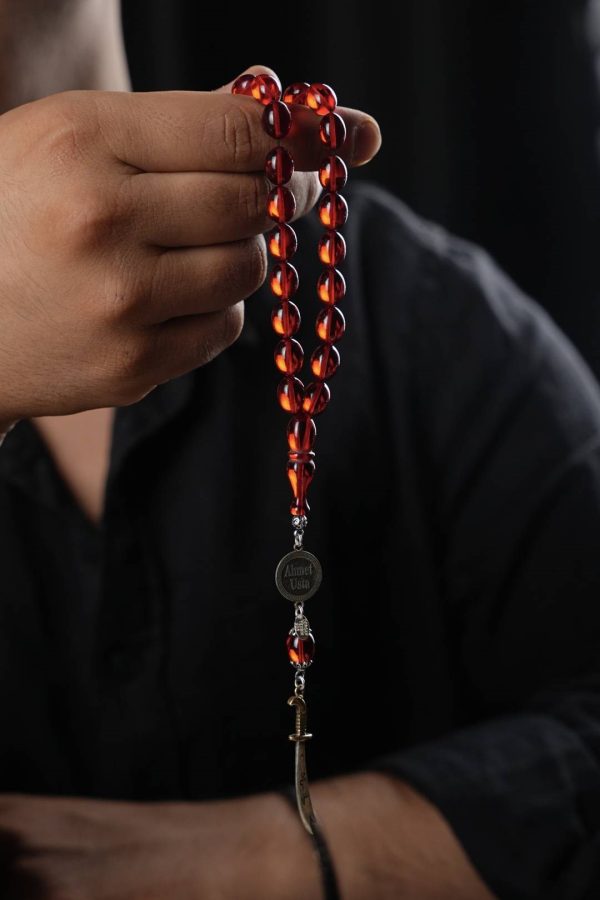
- Ottoman geography: Prayer Beads and mouthpiece decoration
- Today: Jewelry, prayer beads and collectible objects
Physical and Chemical Properties
Lightness
Its density is ~1.05–1.10 g/cm³; It feels very light in the hand.
Low Hardness
Mohs 2–2.5: Suitable for scratching; Careful use is required.
Electrostatic Effect
Statically charged by friction; It can attract small hairs.
Warm Touch
It warms up quickly with body heat; natural resin shine.
UV Response
Some species may fluoresce under UV (a clue to specificity).
Aromatic Burn
Pine-gum-like odor when burned (testing not recommended).
Chemical Composition
| Component | Formula | Percentage (%) | Notes |
|---|---|---|---|
| Polymerized Terpenes | — | ~90+ | Organic resin skeleton (amorphous) |
| Succinic Acid (Baltic) | C₄H₆O₄ | ~3–8 | The acid that gives character to Baltic amber |
| Volatile Components | — | Trace | Odor and aging behavior |
| Sulfur/Nitrogen traces | S/N | Trace | Welded micro-components |
Amber Types
Colour, transparency and source region affect the character and value of amber.
Baltic Amber (Succinite)
Honey, cognac and milky tones; It is known for its succinic acid content.
- Classic and common
- Rich color scale
- collection value
Dominican Amber (Blue)
Distinctive blue glow under UV; rare and remarkable.
- rare appearance
- photogenic effect
- high demand
Myanmar (Burmit)
It is known for its dark tones and rich variety of inclusions.
- Various fossil contents
- dark palette
- Research interest
Mexico (Chiapas)
Warm honey and cognac tones; Suitable for decorative use.
- warm colors
- Suitable for bead making
- Balanced transparency
Butterscotch (Milky/Opaque)
Opaque cream-yellow tones; nostalgic and elegant appearance.
- milky texture
- vintage style
- classic designs
Green/Heat Treated Shades
Amber products whose tone has been altered by heat/other treatments.
- transaction emphasis
- Different tone options
- Transparent information is important
Pressed Amber
It is obtained by fusing the parts with heat/pressure.
- part combination
- More accessible price
- Accurate declaration is a must
Copal (Young Resin)
The immature form of amber; softer and more delicate.
- Sensitive to acetone/alcohol
- Low heat resistance
- Not to be confused with amber
“Fire Amber” (Phenolic/Synthetic)
A common term in the market; Most often it refers to phenolic resin/synthetic products.
- ℹ It is not natural amber
- Different test results
- Honest labeling is important
Variety Selection Tip:
Be sure to evaluate transparency, tone and process information according to your intended use (beads, jewelry, objects).
Spiritual and Traditional Benefits of Amber
The following content is based on traditional beliefs and user experiences; It is not medical advice.
Peace and Calm
A feeling of relaxation with its warm tone and lightness.
Attraction Symbolism
Symbolic “attraction” resulting from the electrostatic effect.
Focus
Rhythmic counting and comfortable flow in meditation.
Natural Texture
The warm feeling of organic origin.
Joy and Energy
The warm psychology of honey-cognac tones.
Traces of Nature
Story value of incuse pieces.
Communication
It is traditionally associated with social comfort.
Protective Image
Its use as a talisman throughout history.
Inspiration
Creative approach in design and collections.
Important Note:
Be sure to consult a specialist physician for your health problems. Natural materials are complementary.
Use of Amber in Prayer Beads
Warm Touch
Light and warm feeling; Comfort for long uses.
Aesthetic
Honey, cognac, milky and rare blue tone options.
Strength
Prone to scratching due to low hardness; careful use.
Narrative
Infused pieces carry unique stories.
Naturalness
Natural products with transparent process information are preferred.
hygiene
Easy cleaning with warm water and soft cloth.
Amber Prayer Beads Usage Guide
1) First Cleaning
Quick rinse with warm water; Dry with soft cloth.
2) Grip & Flow
Light touch in rhythmic counting; Avoid nails to avoid scratching the surface.
3) Layout
33/45/99 grain options; according to personal preference.
4) Routine
Regular use increases the natural shine of the surface.
5) Storage
Store separately in soft pouch; Do not contact with hard stones.
6) Avoiding Factors
Keep away from perfume, alcohol, hairspray and chemicals.
Amber Care & Cleaning
Cleaning with Water
Frequency: As needed • Warm water, mild soap; dry immediately.
Avoid Chemicals
Alcohol, acetone, perfume and solvents damage the surface.
Heat/Sun
Extreme heat and long sun exposure can crack/fade.
No Ultrasonic
Ultrasonic cleaners are not recommended.
Polishing
Gently with microfiber cloth; Revitalization with a very thin oil film if desired.
Rope Care
Periodic control of threads; 1 change per year if necessary.
Avoid:
- Scuffing and impact on hard surfaces
- Heat sources such as hot pots/hair dryers
- Chemicals and solvent vapor
- Storage in the same pouch as other hard stones
Buying Guide
Color & Transparency
Honey, cognac, milk, cherry; natural variations are valuable.
incuses
Insect/plant ingredients add rarity and story value.
Transaction Information
Thermal/color treatments and press amber declaration are important.
Weight
Amber is light; Overly heavy product may be suspicious.
Surface
An excessively glassy shiny and flawless surface may be a sign of synthetic.
Price
Rare color/inclusion, welding and workmanship affect the price.
Reality Check Tips
| Test | Clue | Notes |
|---|---|---|
| Brine | Amber can float | Depending on the density difference; not guaranteed |
| UV Light | May show fluorescence | Varies depending on source (blue amber evident) |
| Friction | Static charge | Small feather/particle attraction |
| solvent | Natural amber is more resistant | Copal/synthetic often prone to dissolution |
Size & Grain
- Size 33: Light and comfortable for daily practice
- 99: Complete counting and ritual-oriented use
- 8–12 mm grains are the common choice for amber
Assurance
- Certificate of authenticity and transparent transaction information
- Trusted seller & return policy
- Clarity of press/process statement
Amber Quick Notes
Brief statistics on usage and features
Frequently Asked Questions
Is amber real? How can I tell?
Tests such as salt water, UV and solvent sensitivity can provide insight; However, expert opinion and laboratory testing are recommended for certainty.
Is pressed amber natural?
It is the form of natural amber pieces combined with heat/pressure; It is produced from natural pieces, but it is not a single piece of natural amber. The statement must be transparent.
What is the difference with copal?
Copal is the younger resin; It is softer and sensitive to solvents. Amber is more durable.
What is “fire amber”?
In the market, it mostly refers to synthetic materials such as phenolic resin; It is not natural amber.
Our Special Amber Prayer Beads Collection
Products with handcrafted workmanship, certificate of authenticity and transparent process information.
The spiritual and energetic features included in this guide are based on traditional beliefs and cultural background; It is not scientifically proven and is not a substitute for medical advice. The stone type of our products is guaranteed by the information stated on the product pages.